Disclosure: This post contains affiliate links. As an Amazon Associate I earn from qualifying purchases. See our disclosure policy for details.
Western Washington and Oregon lawns do not shut down the way Midwest bluegrass does. Cool-season mixes of perennial ryegrass, fine fescue, and tall fescue keep growing through mild, rainy stretches from late October into February. The job shifts from growth management to traction, drainage, and moss pressure on soft ground.
A full wet-season schedule, height targets by grass type, and a moss program that fits the Northwest climate live in the Northwest lawn care guide. Use that hub when you want the month-by-month plan behind the steps below.
Wet-season mowing setup for soft turf
The Northwest mowing pillar covers regional height ranges and seasonal cut frequency. Winter changes the equipment problem more than the target height. Saturated clay and compacted fill common west of the Cascades turn every pass into a traction test. Drive wheels spin, decks scalp soft crowns, and ruts become permanent low spots that hold water for the rest of the season.
Self-propelled drive helps more than raw horsepower here. A rear-wheel or all-wheel unit keeps forward speed steady when the rear tires want to dig, which cuts the impulse to lean on the handle and gouge a path. If you are evaluating a replacement for a push mower that stalls in December mud, start with self-propelled lawn mowers and prioritize models with solid rear tires and an easy height-of-cut lever you can raise one notch without tools.
Bag the clippings when the turf is wet. Mulching wet ryegrass leaves mats that block light and feed moss. A sharp blade still matters: dull steel shreds soft leaf tissue and leaves a gray fringe that browns within a day. Sharpen before the first wet-season cut, then check the edge every three or four mows because grit from winter soil wears steel faster than summer dust.
Height and frequency when rain never stops
Keep cool-season PNW turf in the 2.5 to 3.5 inch band through winter. Dropping below 2 inches opens the canopy, and moss fills the gap before grass does. Raise the deck one notch above your summer setting if the lawn stays soft after storms; a slightly taller cut spreads weight across more leaf and reduces scalp marks on uneven ground.
Mow only when the surface will take a footprint without filling with water. In western valleys that can mean waiting two dry days after a front, then cutting in a short afternoon window. Skip the calendar rule of “every Saturday.” Growth slows in true cold snaps, then jumps during a 50°F rain week. Match the interval to how much leaf is standing, not to the day of the week.
Walk the route before the first pass. Mark low spots, dog paths, and shade strips under cedars or firs. Those zones hold water longer and need a higher deck or a skipped pass rather than a forced cut that leaves ruts.
Moss control without wrecking hardscape or streams
Moss thrives where grass thins: deep shade, compacted soil, low pH, and chronic wetness. Killing the moss without fixing those conditions returns the green fuzz in one wet month. Start with canopy and drainage, then treat what remains.
Iron-based moss killers (ferrous sulfate and related products) blacken moss within hours and are the standard homeowner option on cool-season lawns. Follow product label directions on rate and re-entry. Two regional hazards matter more here than in drier climates. Iron stains concrete, pavers, and light siding permanently if overspray lands on them, so wet hardscape edges first as a barrier or shield them with cardboard. Runoff also matters near fish-bearing water. In western Washington and Oregon that description covers most creeks, roadside ditches that reach salmon streams, and slopes that drain to Puget Sound or the Willamette. Keep product on the turf, avoid application before heavy rain is forecast, and do not treat strips that sheet-flow into open water.
After moss dies and you rake out the black residue, bare soil is left behind. That is the moment for a patch product, not a full overseed. Winter soil is too cold and wet for broad seeding to establish cleanly.
| [](https://www.amazon.com/dp/B077T77H9J?tag=mowguide-20&linkCode=ogi&th=1&psc=1&utm_source=mow-guide&utm_medium=blog&utm_campaign=pacific-northwest-winter-lawn-care-mowing-in-the-wet-season-moss-control) **[Scotts PatchMaster Lawn Repair Mix Sun + Shade Mix, 4.75 lbs. | Combination Grass Seed, Grass Fertilizer, and Mulch, Lawn Patch Repair](https://www.amazon.com/dp/B077T77H9J?tag=mowguide-20&linkCode=ogi&th=1&psc=1&utm_source=mow-guide&utm_medium=blog&utm_campaign=pacific-northwest-winter-lawn-care-mowing-in-the-wet-season-moss-control)** ($14.47) |
Rake dead moss into bags rather than mulching it back. Spot-seed only the open patches you can keep from ponding, and leave larger thin areas for the spring window when soil temperatures support germination.
Drainage, compaction, and traffic
Winter lawn damage in the Northwest is often mechanical, not nutritional. Repeated foot traffic and mower passes on wet clay collapse pore space. Water sits on the surface, roots go shallow, and moss gains another foothold.
Redirect paths with temporary stepping pads or a simple board walkway across the softest strip until spring aeration. Keep furniture, play equipment, and parked bins off the lawn from November through February. If a section already ponds after every storm, a shallow surface drain or a re-grade of the low lip beats another round of moss killer.
Hold fertilizer back through the deep wet months unless a soil test shows a clear deficiency you planned to correct in fall. Soft, wet growth from late nitrogen lodges flat under rain and invites disease. Save the feeding for the spring handoff when tops are growing and roots can use the nutrients.
Spring handoff: soil temperature, then seed
Stop treating winter as a seeding season. PNW overseed and repair windows sit in early fall and again in March through April, once soil has warmed and day length supports new seedlings. The gate that matters is soil temperature at root depth, not air temperature on a sunny afternoon.
A soil thermometer tells you when the repair window is actually open. Check the top two inches in the morning for several days in a row rather than trusting one warm spell.
Best soil thermometers covers simple probe options that read consistently in wet ground. When morning readings hold in the range your seed label calls for, bare spots from winter moss knock-back are ready for a Northwest-labeled mix.
Have seed on hand before that window opens so you are not waiting on shipping while soil conditions pass you by. A blend built for Northwest sun and shade, with tall fescue and perennial ryegrass plus a light feed, matches the grass types already dominant west of the Cascades.
| [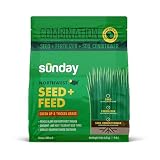](https://www.amazon.com/dp/B0FP3W5F1W?tag=mowguide-20&linkCode=ogi&th=1&psc=1&utm_source=mow-guide&utm_medium=blog&utm_campaign=pacific-northwest-winter-lawn-care-mowing-in-the-wet-season-moss-control) **[Sunday Northwest Grass Seed & Fertilizer with Tall Fescue - Sun & Shade | Perennial Ryegrass Lawn Seed Blend Feeds & Conditions Soil; 9-0-2 NPK Covers 1,500 Sq Ft in Sun or Shade.](https://www.amazon.com/dp/B0FP3W5F1W?tag=mowguide-20&linkCode=ogi&th=1&psc=1&utm_source=mow-guide&utm_medium=blog&utm_campaign=pacific-northwest-winter-lawn-care-mowing-in-the-wet-season-moss-control)** ($32.00) |
Work seed into bare patches after a light rake, keep the surface moist without flooding, and hold mowing until new plants resist a gentle tug. Resume normal wet-season height only after the first couple of cuts on the repaired spots.
Winter checklist you can run each week
- Check soil firmness before any mow; delay if footprints fill with water.
- Cut only when growth has added real leaf, at 2.5 to 3.5 inches, bagging wet clippings.
- Spot-treat moss on label rates, shield concrete and pavers, and keep product out of runoff paths to streams.
- Rake dead moss, patch true bare soil, and leave broad thin areas for spring soil temps.
- Keep traffic off soft ground and log low spots for spring aeration.
Winter lawn care in the Pacific Northwest is a maintenance cadence, not a renovation project. Protect the canopy with taller cuts on firm days, remove moss without staining hardscape or feeding streams, and stage seed and soil-temp checks for the real repair window when March arrives.